
Fidelio Faustino 05/01/2026


Fidelio Faustino Ferrier is an Surinamese-rooted cinematographer, photographer and director whose work moves quietly but with immense depth. Based between Amsterdam and Paramaribo, his practice unfolds across film, editorial work and exhibition projects that explore identity, memory, spirituality and belonging.
What began as a photographic curiosity evolved into a deliberate visual language: one that weaves together intimate, analogue imagery with stories rooted in Afro-Caribbean and Indigenous experience. Fidelio described how this approach comes from feeling “caught between two worlds”: the fast pace of Amsterdam and the slow, communal rhythms of Suriname. This tension, he explains, shapes how he sees, frames and connects with people and place.
We are proud to introduce him as the first guest of 2026. A visual storyteller whose quiet lens holds immense power.
Culture, Memory & Visual Language
Fidelio’s work is built on memory: ancestral conversations, night gatherings with family, the rhythms of Suriname’s landscapes and the diaspora’s resonances across continents. This is not photography that observes from a distance; it is work that listens, that sits with its subjects, and renders them with intimacy, respect and spiritual cadence.
In conversation, he speaks of image-making as a practice shaped by culture and history, a way to counter the European gaze and reclaim how Afro-Caribbean identity is represented, both to itself and to the world. He talks about rediscovering home, feeling the subtle tensions between Amsterdam’s fast pace and the soft pulse of Paramaribo, and how these spaces shape what he chooses to see, and how he chooses to frame it.
What stands out in his imagery is not only the moment captured, but the sensory presence within it: the stillness of night, the glow of streetlights on breathing skin, the quiet gestures that speak louder than words. It’s a language crafted from lived experience, a practice that shares much with how Zongoville approaches dress: not surface aesthetic, but a story carried, worn, embedded in life.
TAPSEI — Upwards in Light & Memory
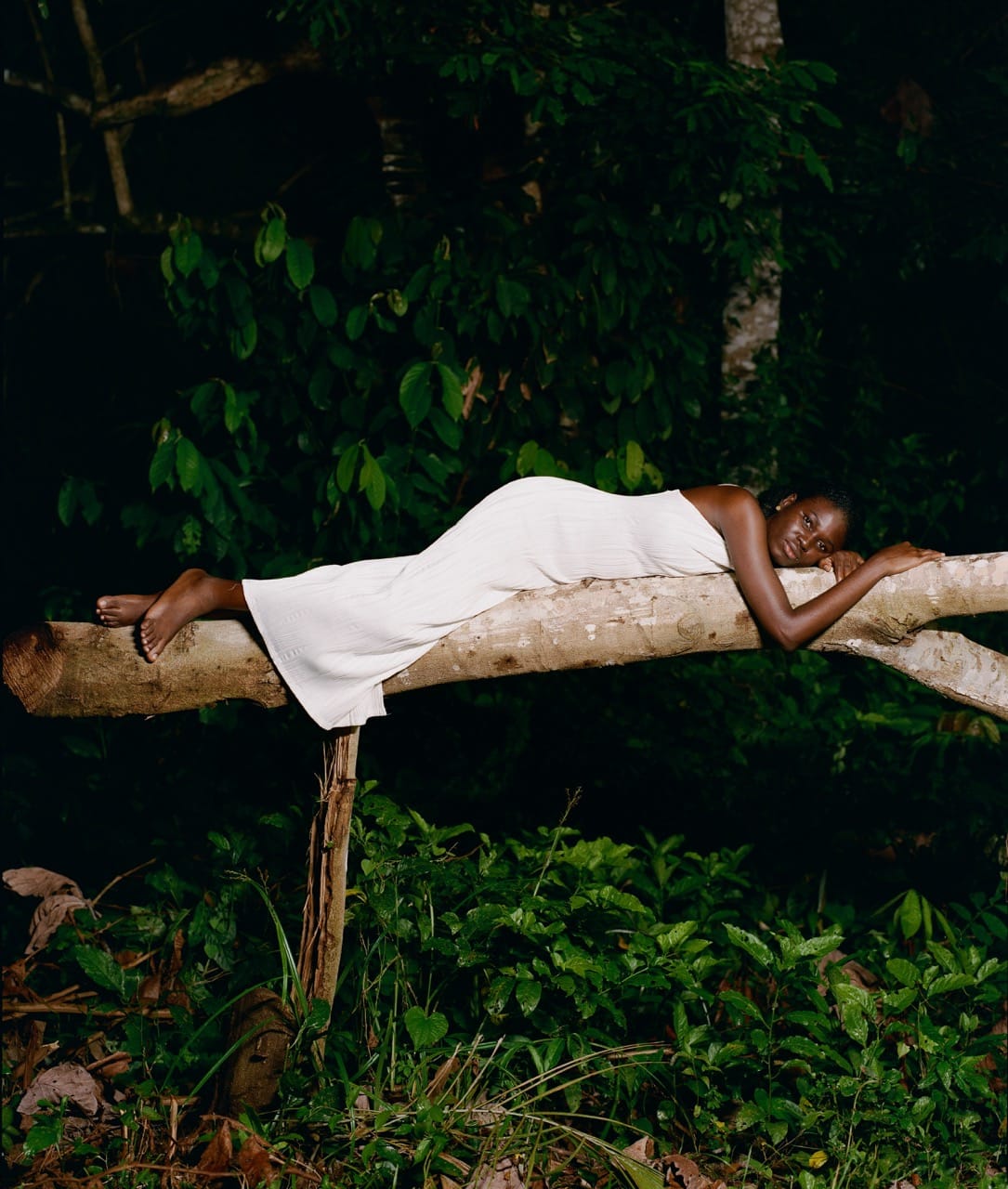
Tapsei, Fidelio’s first solo exhibition supported by FOAM, sQuare and the Amsterdam Ferry Festival, opened in late 2025 as an intervention in public space aboard an Amsterdam ferry.
The word tapsei: meaning upwards in Sranantongo, functions as both a compass and a metaphor for his practice: orienting oneself through memory, landscape, and ancestral narrative. The series journeys to the Surinamese interior, capturing residents in moments of quiet intimacy, rooted in everyday life yet poised with spiritual resonance.
The images do not shout. They invite a pause, to look slowly, to register nuance, to feel the continuity between people and place.
Neti È Kon — Night Stories & Shared Rituals
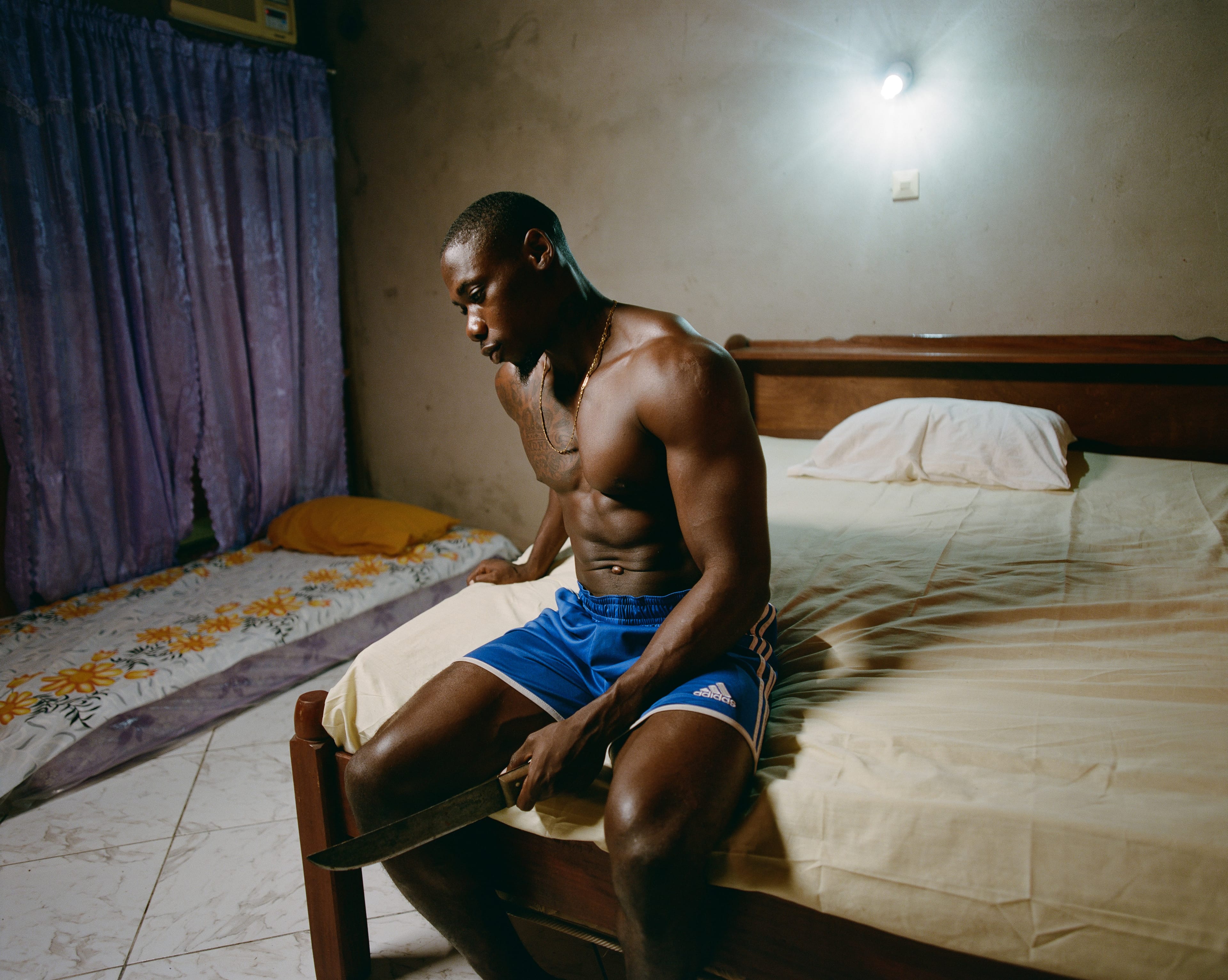
Another of Fidelio’s ongoing bodies of work: Neti È Kon, emerges from the intimacy of night. The series explores gatherings after dusk, where stories are told beneath starlight and conversations weave memory into collective identity.
The title itself comes from a phrase from his childhood among family and friends. In an interview he explained that this project began spontaneously on an evening with loved ones. What started as documentation of night time evolved into an exploration of cultural and spiritual rhythms: the way community life continues after sundown, where laughter, ritual and body language carry as much meaning as spoken words.
Shot entirely on analogue film, these photographs balance deliberate composition with the unpredictability of human presence after sunset. They reflect a deep respect for ritual, intergenerational exchange and cultural rhythm, showing scenes that pulse with life yet feel timeless.
This work carries much of the same calm charge we value in quiet streetwear: subtlety as strength, presence without noise, and stories that unfold through gesture rather than proclamation.


The New Originals – SS24 (Suriname)
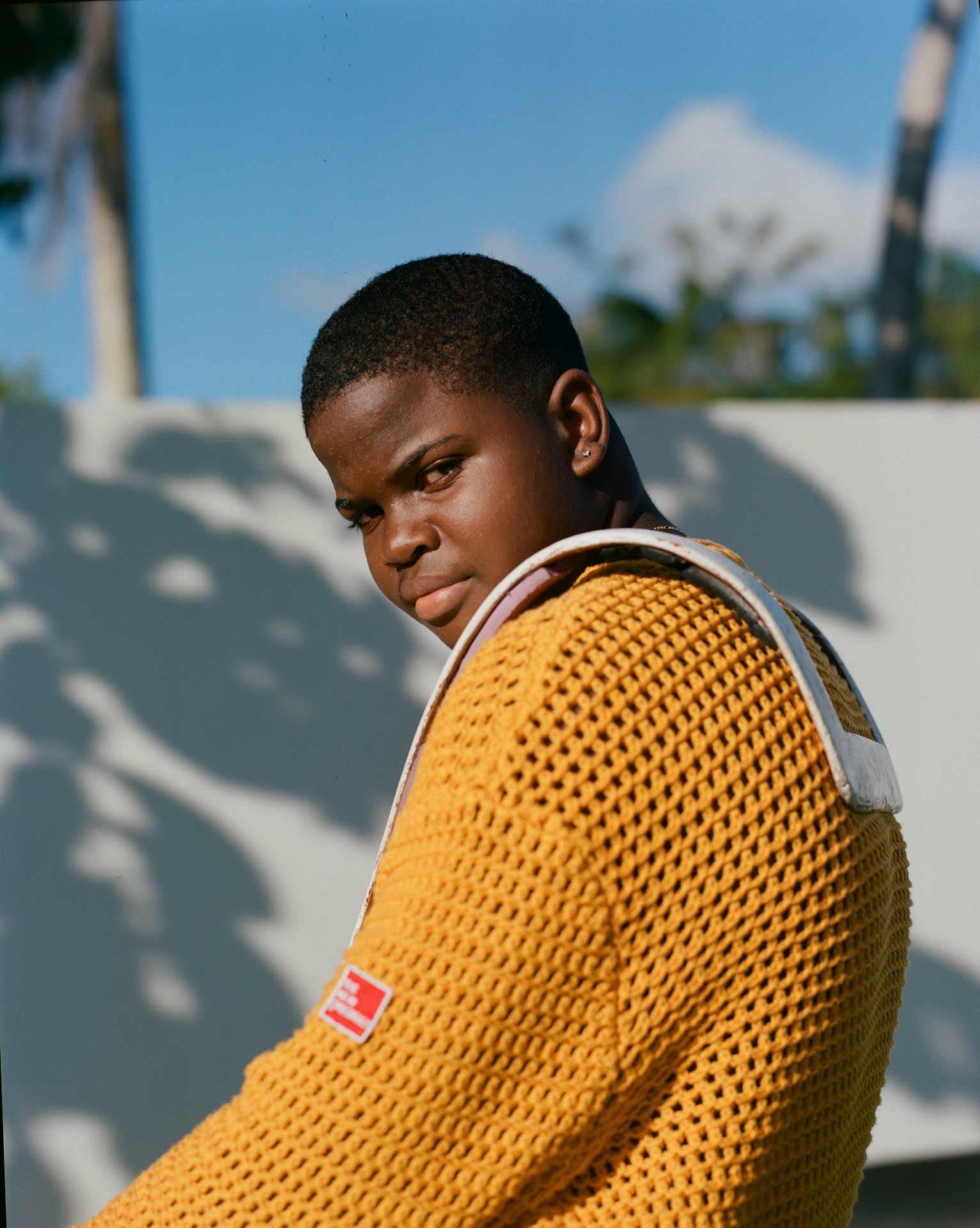
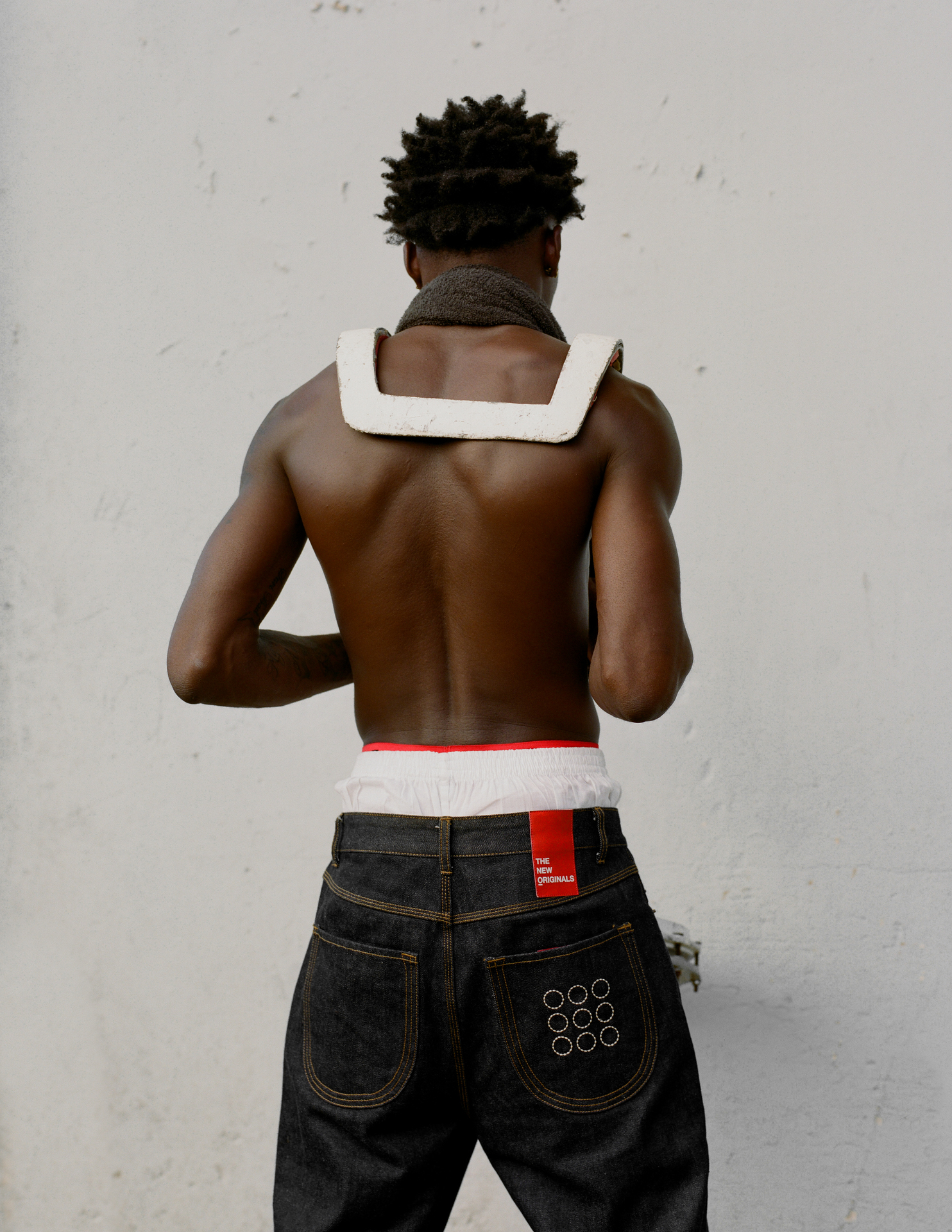
Alongside his deeply personal analogue series and community-rooted exhibitions, Fidelio has also applied his visual language to fashion and editorial work, most notably in his SS24 shoot for The New Originals. A campaign shot in Suriname that blends cultural context with style and presence.
Unlike conventional fashion photography that isolates garments from place, The New Originals SS24 harnesses environment as narrative. Fidelio frames clothing not as standalone objects, but as lived expressions of a community, where fabric meets landscape, heritage meets contemporary posture and presence.
In these images, models are not simply posed; they are placed in dialogue with their surroundings, the warm Surinamese light, walls with history etched into texture, the fluidity of daylight on skin and fabric. The garments speak softly, but their context gives them voice, carrying the same layered resonance Fidelio brings to all his work: identity as landscape, style as continuity.
PhotoVogue & Beyond Borders
Fidelio’s work has also resonated internationally. In 2025 he was named one of PhotoVogue’s 100 top Latin American talents, exhibiting at the PhotoVogue Festival in Milan and speaking on a panel about diaspora and representation.
This recognition situates his practice within a broader conversation about identity, representation and community, themes that run through both artistic practice and lived experience, making his voice essential to contemporary visual culture.

Reflection
Fidelio Faustino’s work reminds us that visibility doesn’t always shout. Sometimes it hums beneath surface, in the still frame between frames, in the quiet moments that hold a lifetime. His images honor ancestral voices, night rituals, landscapes of belonging and the intimacy of everyday life. They map culture as language, not as stereotype; presence as resonance, not as token.
In a world noisy with fleeting trends, his work calls for slow attention. It asks us to look without assumption, to see without erasure, and to appreciate identity as something that moves beyond surface, into spirit and memory. That is a core of what we celebrate at Zongoville — the meaningful intersection of heritage, presence and creative expression.
Discover More
Step further into Fidelio’s world.
Where film and photograph meet poetry, where light becomes lineage, and where every image feels like a quiet testament.
Take your time with the sequences. These are not snapshots, but slow stories that reward attention with depth.


